The 5-volume series

One guide at a time. Every platform covered.

One app alone leaves you exposed to slow seasons and algorithm changes. We're writing a playbook for every major delivery app in North America, ending with a full multi-app business system.

Volume 1 (Instacart) is live Volumes 2–5 in production
VOL. 01 Available now

Instacart Shopper Mastery

16 chapters · full text in EN/ES/TR + 10 language summaries · web & offline

The core grocery playbook: 42s SPI speed drills, where to be for the 9:45 AM wholesale drop, the 30-order speed reset, customer chat shortcuts, rating protection and IRS return-mileage deductions.

  • Pick-speed timers Sub-50s picking routines
  • Wholesale drop protocol Where to park and when
  • 10 bilingual chat macros Protect ratings and tips
  • Tax mileage shield Schedule C return-mile write-offs
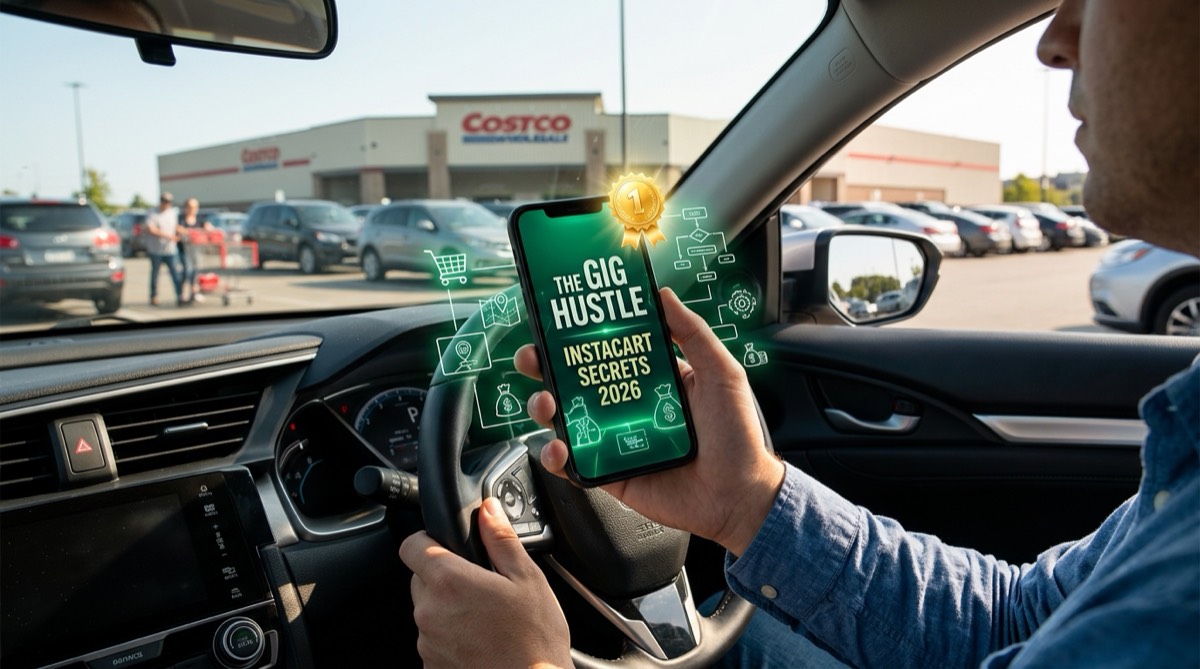
Get Volume 1 $14.99
VOL. 02 In production

DoorDash & Uber Eats Velocity

Restaurant courier dispatch

Spot hidden tips before you accept, find high-value catering orders, manage acceptance-rate tiers and avoid slow merchants.

  • Hidden tip heuristics Item count and order total signals
  • Merchant blacklist Skip 15-minute kitchen waits
  • Zone timing Lunch and dinner boundary sweeps
  • Stacked routes Two-app drops that line up
Coming next in the series
VOL. 03 In pipeline

Spark Driver & Retail Logistics

Walmart curbside & shop-and-deliver

Dispatch timing (:20–:45 intervals), finding items fast on shop-and-deliver, multi-stop dotcom routes and loader wait pay.

  • Dispatch clock Catching the :20 drop
  • Express S&D routes Skip the standard aisles
  • Dotcom batching Sorting 12–18 stop routes
  • Cold-chain rules Protect your account standing
Coming soon
VOL. 04 In pipeline

Amazon Flex Surge Blocks

Same-day & block logistics

How surge block pricing works, same-day vs .com stations, numbered trunk staging, and faster routes that don't hurt your standing.

  • Surge timing $35–45/hr blocks without bots
  • Trunk staging A 4-quadrant loadout
  • Apartment access library Fewer delayed deliveries
  • Station standing Avoid package return strikes
Coming soon
Master edition · series finale

The gig app business: multi-apping, LLC setup & wealth.

Ties all four guides together. Run delivery like a small business: multi-apping without deactivation, LLC/S-Corp setup to cut self-employment tax, a Solo 401(k), and EV/hybrid cost math.

Running multiple apps

Run 3–4 apps at once without overlaps or late deliveries.

1099 entity & taxes

LLC vs sole proprietor, S-Corp payroll, Solo 401(k) and health insurance write-offs.

Vehicle & capital

EV cost math, battery warranties, commercial insurance riders and replacement funds.

Platform dynamics

Which app wins on pay vs wear?

Each app has its strengths. Here's how top earners compare them when picking a main app.

PlatformNet $/hr potentialVehicle wearPhysical effortPeak windowGuide
Instacart$32–48+Lowest (more store time)Moderate (walking aisles)6:00 AM – 2:00 PMVol. 1 · live
DoorDash / Uber$22–32High (constant driving)Low (in and out of car)11:30–1:30, 5:00–9:00 PMVol. 2
Walmart Spark$26–38Medium (multi-order)High (cases of water)7:00–11:00 AM (:20 drops)Vol. 3
Amazon Flex$25–42 (surge)High (30–60 mi routes)Moderate (30–45 packages)3:30 – 8:00 AMVol. 4

Ranges are field estimates and vary by market, season and vehicle costs.

Phone showing several delivery apps
Start with the foundation

Begin with Volume 1.

Instacart pays the most per mile of the major gig apps. Unlock all 16 chapters for a one-time $14.99.