How do taxes work for DoorDash drivers?
DoorDash does not withhold taxes, so Dashers report their earnings as self-employment income on Schedule C and pay income tax plus 15.3% self-employment tax on the profit. The biggest deduction is usually mileage: 72.5¢ a mile for business miles driven January 1 to June 30, 2026, and 76¢ a mile from July 1 to December 31, 2026. Tips may also qualify for the new federal tips deduction (up to $25,000 a year, 2025–2028). DoorDash sends a 1099-NEC through the Dasher app by January 31.
The forms you get from DoorDash
- Form 1099-NEC in the Dasher app (Earnings → View payout details → Tax documents) by January 31, or by mail if you opted out of e-delivery.
- A separate tips total by email by January 31. DoorDash started this because of the new tips deduction.
- A mileage estimate by email by January 31 for Dashers who drove a car. It covers only miles on deliveries.
The $600 vs $2,000 question: DoorDash's Help Center still says you get a 1099-NEC if you earned $600 or more. That was the IRS threshold for payments through 2025. For payments made in 2026 the IRS threshold is $2,000, so a Dasher who earned less in 2026 may not get a form. Either way, all of your earnings are taxable, with or without a 1099.
Mileage: the biggest deduction
| Business miles driven | IRS standard rate |
|---|---|
| January 1 – June 30, 2026 | 72.5¢ per mile |
| July 1 – December 31, 2026 | 76¢ per mile |
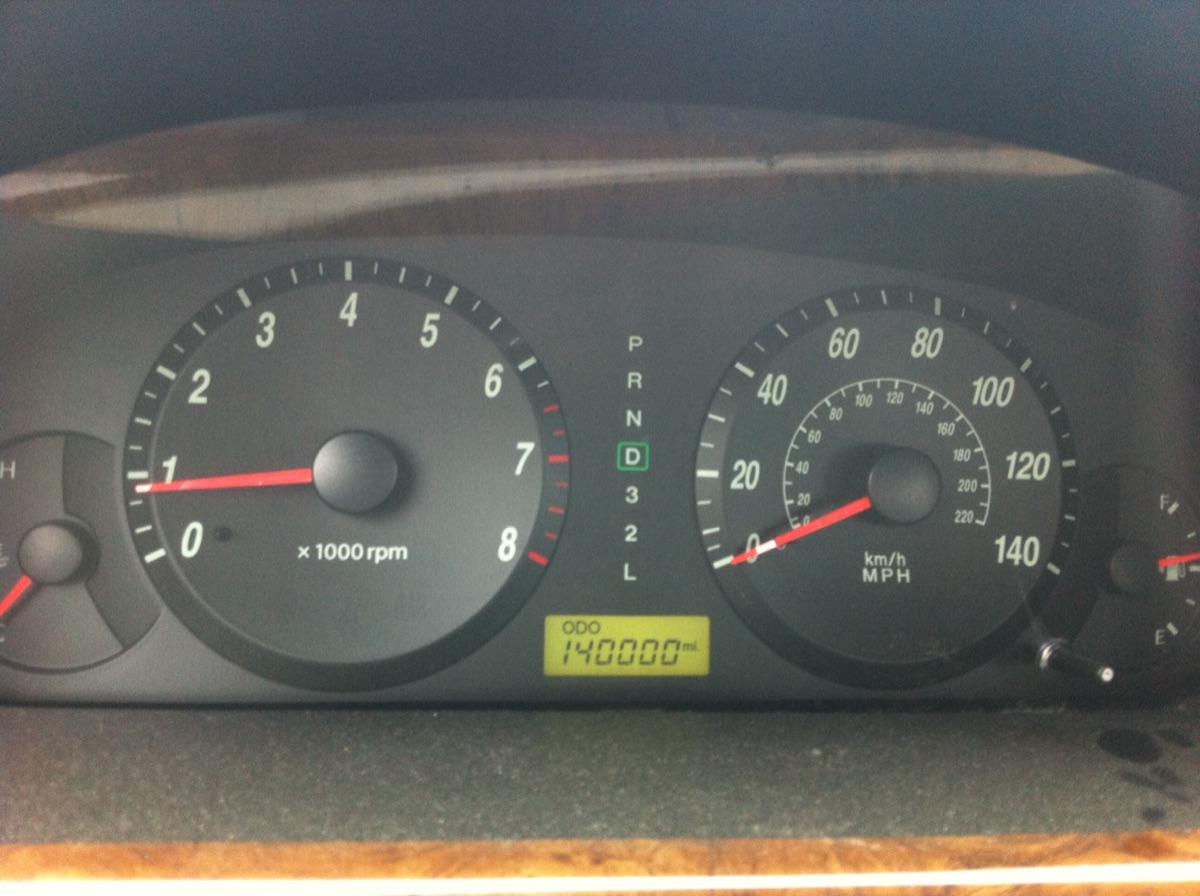
Because the rate changed mid-year, keep your log split by date. DoorDash's mileage estimate covers only miles on active deliveries. Driving to your starting point, moving between zones and driving back after a far drop-off can also be business miles, but they will not be in DoorDash's number. A mileage app or a written log with date, start and end odometer and purpose is your record. More detail: the mileage deduction guide (written for Instacart; the rules are the same).
California Dashers: the $0.37 per mile under Prop 22 is pay, not a reimbursement. DoorDash itself advises California Dashers to keep tracking all mileage for taxes.
Illustrative example
Say a single Dasher earned $24,000 in 2026 (including $8,000 in tips) and drove 9,000 business miles, 4,500 in each half of the year.
- Mileage deduction: 4,500 × $0.725 + 4,500 × $0.76 = $6,682.50
- Other expenses (phone share, hot bags, etc.): assume $500
- Net profit: $24,000 − $6,682.50 − $500 = $16,817.50
- Self-employment tax: $16,817.50 × 92.35% × 15.3% ≈ $2,376
Income tax then depends on your other income, deductions and the tips deduction below. These figures only show the method.
Other deductions Dashers commonly take
- The business share of your phone and data plan.
- Hot bags, a phone mount, chargers and other gear used for dashing.
- Tolls and parking while dashing (on top of the standard mileage rate).
- Fast Pay fees and the business share of mileage-tracking apps.
If you use the standard mileage rate, you cannot also deduct gas, repairs, insurance or depreciation for that car. See common deductions for gig workers.
The tips deduction (2025–2028)
The 2025 tax law created a federal income tax deduction of up to $25,000 a year for qualified tips, for 2025 through 2028. It phases out above $150,000 of modified AGI ($300,000 for joint filers), you do not need to itemize, and for the self-employed it cannot exceed your net profit from the work that earned the tips. The final IRS rules (April 2026) list goods delivery workers, including app-based delivery, among qualifying occupations. Voluntary tips through the app are typically qualified tips. The deduction cuts income tax only; tips still count for self-employment tax. Full detail: no tax on tips.
Quarterly estimated payments
If you expect to owe $1,000 or more for the year, the IRS expects estimated payments. For 2026 income the due dates are April 15, June 15 and September 15, 2026, and January 15, 2027. A simple habit is to move a fixed share of each payout (many drivers use 20–25%, depending on their bracket) into a separate account. How to work out the amount: quarterly taxes for gig workers.
Watch: setting money aside for taxes
Daring Dave walks through how he calculates self-employment tax, estimates his federal tax and decides how much of his DoorDash earnings to set aside each month. The creator says it is not financial advice; use it as a worked example, then run your own numbers.
 13:55
Records to keep
- Your 1099-NEC and DoorDash's tips email, plus monthly earnings statements from the app.
- A mileage log split at June 30/July 1.
- Receipts for gear, phone and tolls.
- Records of reimbursements (for example cash orders): DoorDash says reimbursements are not included in 1099 earnings.
Frequently asked questions
Does DoorDash take out taxes?
No. DoorDash does not withhold any tax. Dashers are independent contractors and pay income tax and self-employment tax themselves, usually through quarterly estimated payments.
What is the 2026 mileage rate for DoorDash drivers?
The IRS standard rate is 72.5 cents per business mile from January 1 to June 30, 2026, and 76 cents per mile from July 1 to December 31, 2026.
Will I get a 1099 from DoorDash if I earned under $600?
DoorDash's help page uses $600. For payments made in 2026, the IRS threshold for Form 1099-NEC is $2,000, so a form may not arrive below that. The income is taxable either way.
Is DoorDash's mileage email enough for taxes?
It only estimates miles on active deliveries. Miles to your starting point, between zones and back from far drop-offs are not included, so keep your own log.
Do Dashers qualify for no tax on tips?
The final IRS rules list goods delivery, including app-based delivery workers, among qualifying occupations, and self-employed workers can qualify. Confirm your situation with a tax professional.
Go deeper. Chapter 11 of the DoorDash Dasher Playbook covers taxes, mileage and records end to end, including the split 2026 mileage rate, the tips deduction and quarterly payments. Get the DoorDash e-book or read chapters 1–2 free.
Related guides
- How does DoorDash pay Dashers in 2026?
- Which DoorDash offers are worth accepting?
- How do you appeal a DoorDash deactivation?
Sources
- DoorDash Help Center: Dasher Guide to Taxes
- IRS: Standard mileage rates
- IRS: Internal Revenue Bulletin 2026-29 (mid-year mileage rate)
- IRS: Instructions for Forms 1099-MISC and 1099-NEC
- IRS: Working Families Tax Cuts provisions (qualified tips deduction)
- IRS: Self-employment tax
- IRS: Estimated taxes